
Should Your Restaurant Run Its Own Delivery Service?
Before launching in-house delivery, assess demand, costs, and team readiness, then test a clear ordering journey before expanding.
You may consider your own delivery service to build a direct customer relationship or offer an experience that fits your brand. But receiving orders through a phone number or digital menu does not make delivery operations ready. The decision involves actual demand, kitchen capacity, driver coordination, and trip costs. Start with a limited trial that shows what you can deliver consistently.
01 Start with demand and a manageable delivery area
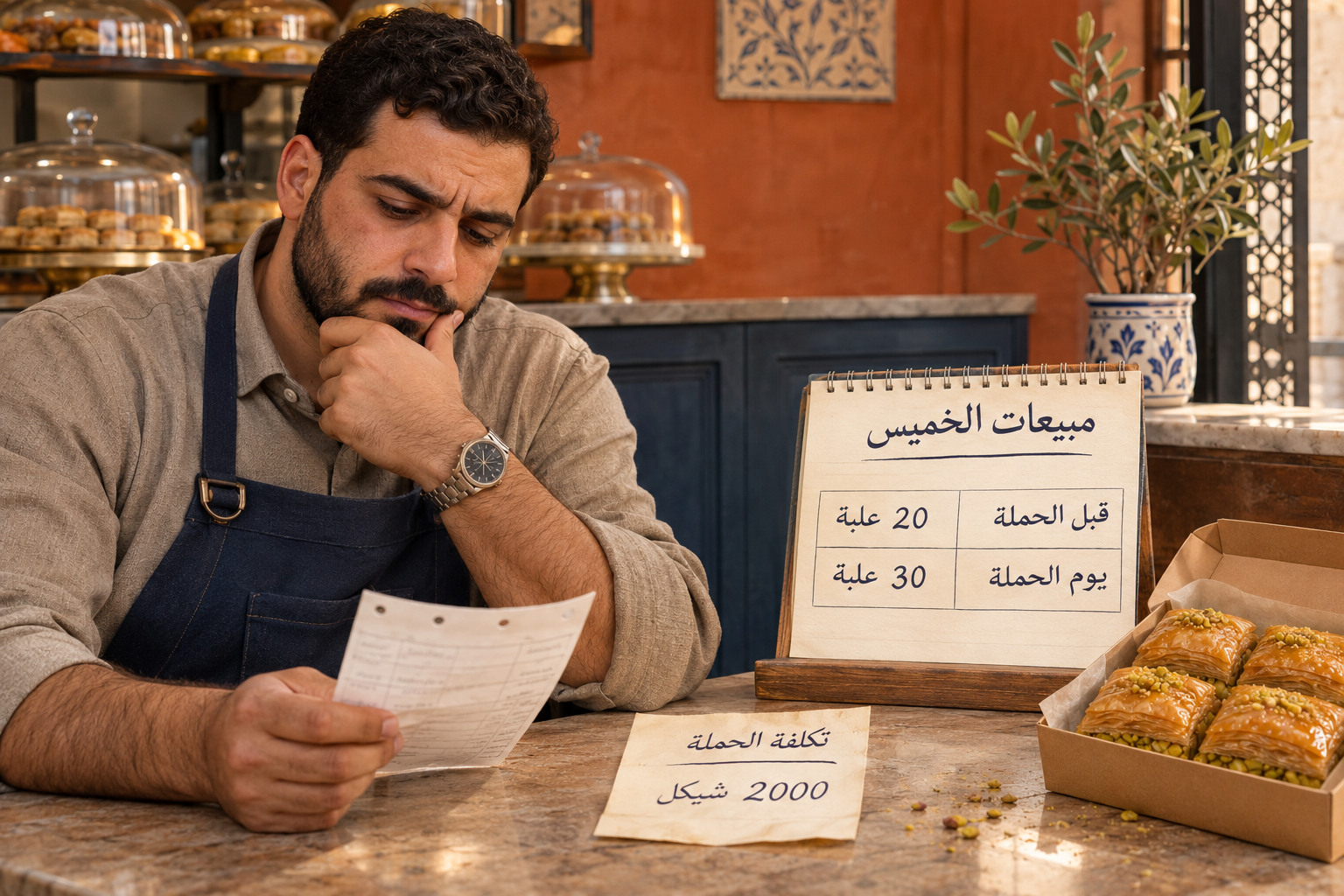
Review the delivery inquiries and order records available to you: where do they come from, at what times, and for which dishes? Initial interest is not confirmed demand. Use it to design a trial, then evaluate completed orders.
Start with a small service area and defined operating hours. Consider actual travel time and access rather than map distance alone. Test dishes after transport: do they arrive in suitable condition, and does the packaging prevent spills? Your delivery menu may need to be shorter than the dine-in menu. Set delivery fees and any minimum order, and explain them before confirmation.
02 Assign responsibility for every step
Map a simple journey: receive the order, confirm items, address and price, send it to the kitchen, package it, hand it to the driver, and confirm arrival. Assign an owner to each step and decide who contacts the customer about delays or unavailable items.
Agree on driver shifts, dispatch, payment collection and cash reconciliation where used, and what happens when a customer is unreachable or a driver is absent. Collect only the delivery information needed and share it with the people fulfilling the order. Check the operating and transport requirements for your location before launch. Avoid advertising arrival times you have not tested under actual conditions.
03 Calculate delivery costs during quiet hours too
Record driver or shift pay, fuel or travel, vehicle costs you cover, equipment, and time spent coordinating orders. Include extra packaging, failed delivery attempts, and compensation when they occur. Separate recurring expenses from trip costs and avoid double counting.
A simplified hypothetical example: if total delivery-shift costs are ILS 120 and six orders are completed, the average of those costs is ILS 20 per order. At twelve completed orders it becomes ILS 10, assuming the shift cost stays unchanged. These are illustrative figures, not recommended rates; actual costs may rise with additional trips.
Compare the average with delivery fees collected, then consider what the meal contributes after ingredients, packaging, and its other costs. Avoiding a platform commission does not make in-house delivery free, and the amount remaining before rent and other expenses is not net profit.
04 Prepare the ordering journey and test before expanding
Begin with an ordering channel your team can manage: phone calls, structured messages, or a suitable form, supported by a clear menu and prices. A custom app is not a prerequisite for testing the idea. Define order confirmation, address and contact details, delivery fees, payment, service area, and hours.
Choose a defined trial period, a small area, and a manageable menu. Track completed orders, preparation and delivery times, average order cost, and recurring problems. Adjust the area, hours, or menu using actual experience, then decide whether to expand, stay limited, or postpone the service.
Content can introduce the service, and a menu can explain products and ordering options. Managing drivers, trips, and customer support requires operational ownership and clear procedures. Yoosal’s role can include branding, content, and a digital menu within an agreed scope; operating the delivery service is not automatically included.