
How to Build Trust in a Meal Before the First Order
Use content to explain ingredients, portions, preparation, and value while keeping expectations aligned with what customers receive.
People may enjoy your restaurant’s personality and still hesitate to try a new dish. The product needs its own explanation: what is included, whether the portion fits the occasion, and how it is prepared and served. Content should answer these questions honestly, with appetizing images that match the actual experience.
01 Start with the questions before a purchase
Gather questions from messages, the counter, and the team: how large is the meal, what comes with it, is sauce separate, and which additions are available? Prioritize recurring or decision-critical questions rather than assuming customers know what staff consider obvious.
Turn each question into a specific piece of content. An unboxing can explain contents, serving footage can show scale, and a simple post can explain ordering options. Confirm details with the restaurant before publishing, especially ingredients and available modifications.
02 Show evidence for the selling point
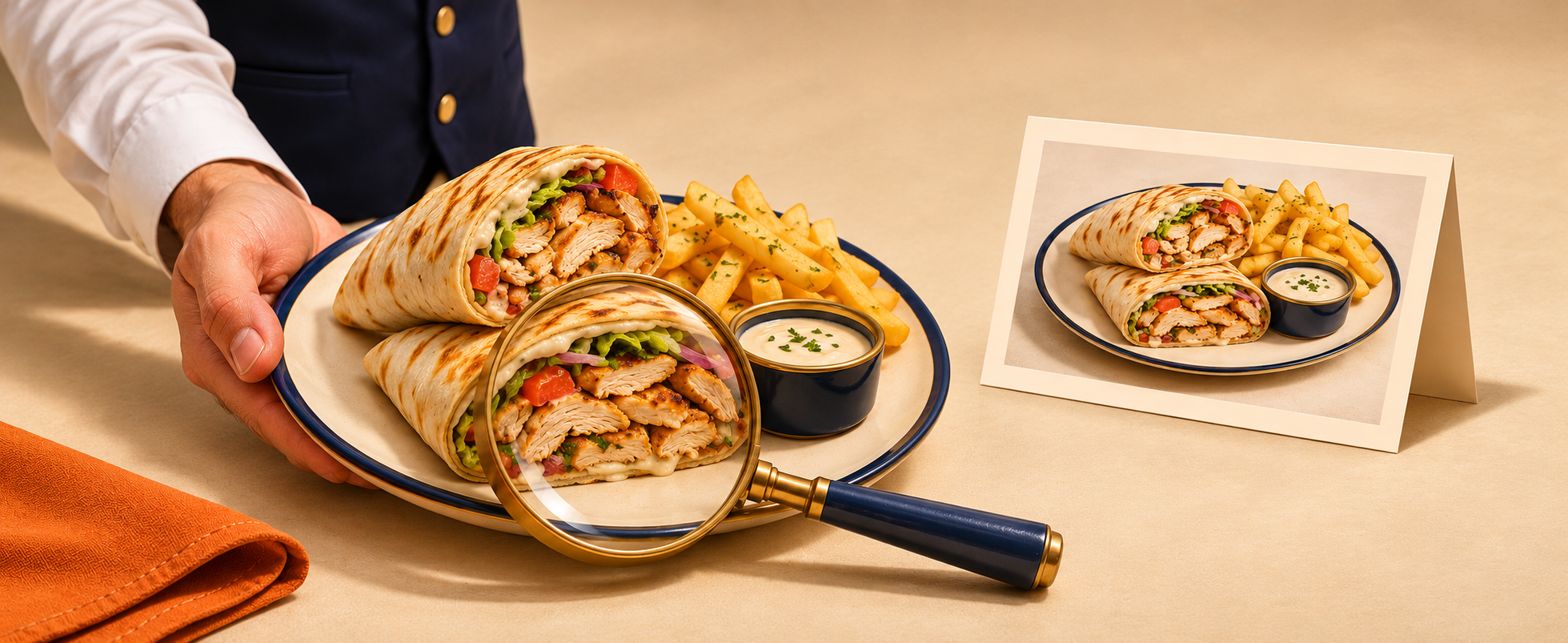
If the filling is the selling point, show a clear cross-section. If sharing is part of the value, show the contents and how they are divided. Use a familiar scale reference and real preparation footage when it helps explain the product. Avoid angles or lighting that misrepresent quantity.
Treat descriptions such as fresh, local, or dietary claims as information requiring confirmation rather than decorative wording. Publish only what the restaurant can substantiate, and check special claims before using them. An attractive image should not imply proof it does not provide.
03 Align the image, menu, and delivered product
Check that the photographed product represents the ingredients and quantities included in the offer. Identify additions sold separately. Align price, availability, and imagery between the post and the menu so the two do not create different expectations.
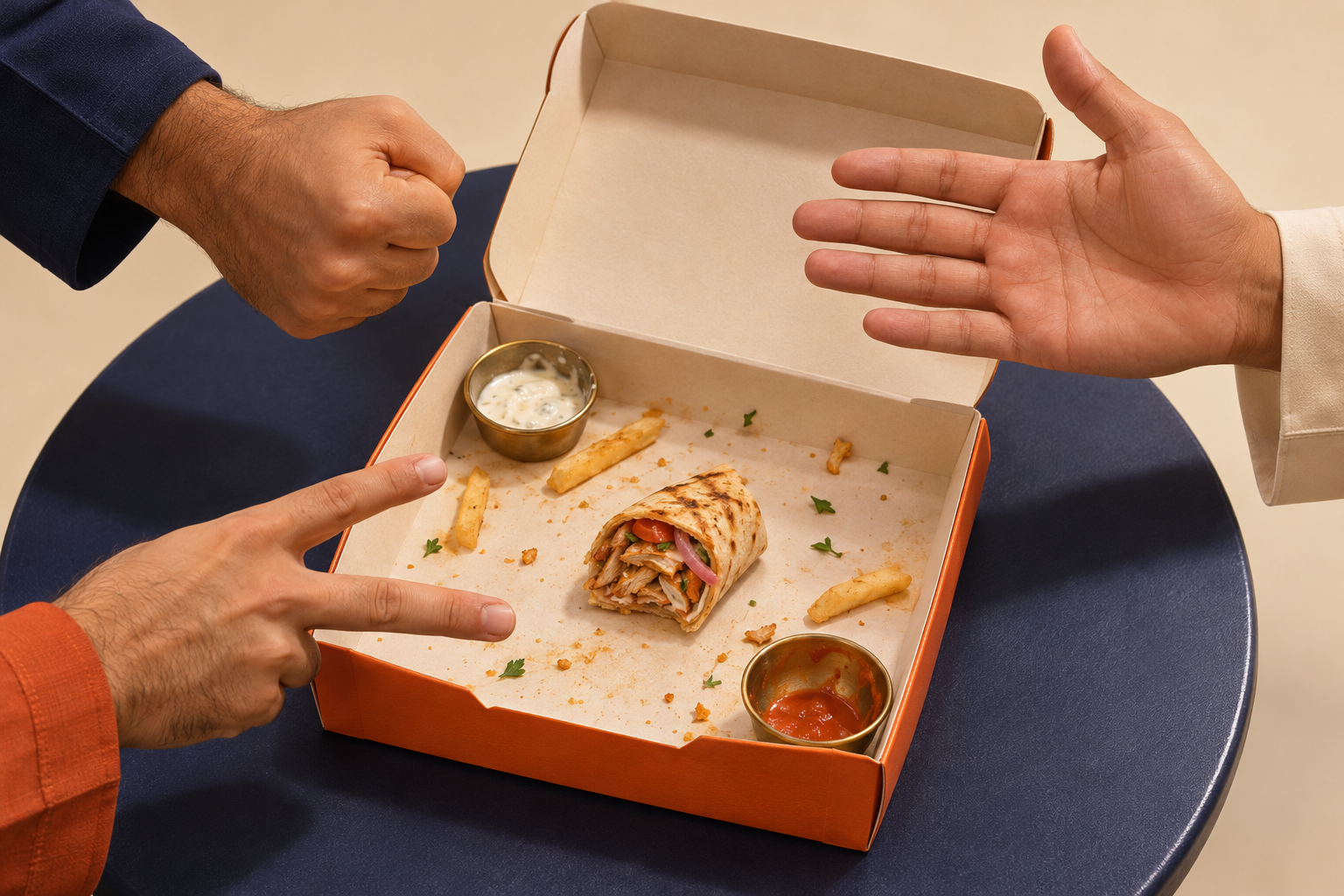
For takeaway meals, examine the product after packaging and transport, not only at the shoot table. If customers misunderstand two sizes or meals, explain the real differences clearly rather than relying on images that may imply the wrong comparison.
04 Make the next step clear and learn from the experience
After explaining the product, show how to try it: the menu item name, ordering method, and any offer conditions. Every detail need not appear in every video; choose the main message and make supporting information easy to find.
Review questions that persist and feedback after the experience. If the product differs from expectations, examine both content and fulfillment. Use genuine feedback with permission rather than inventing reviews or numerical results. Trust depends on consistency between the promise and the experience.
Explore Yoosal’s restaurant content service.