
Lots of Views, Few Orders: Where Is the Problem?
Check the audience, product, message, and ordering journey before judging restaurant content by views alone.
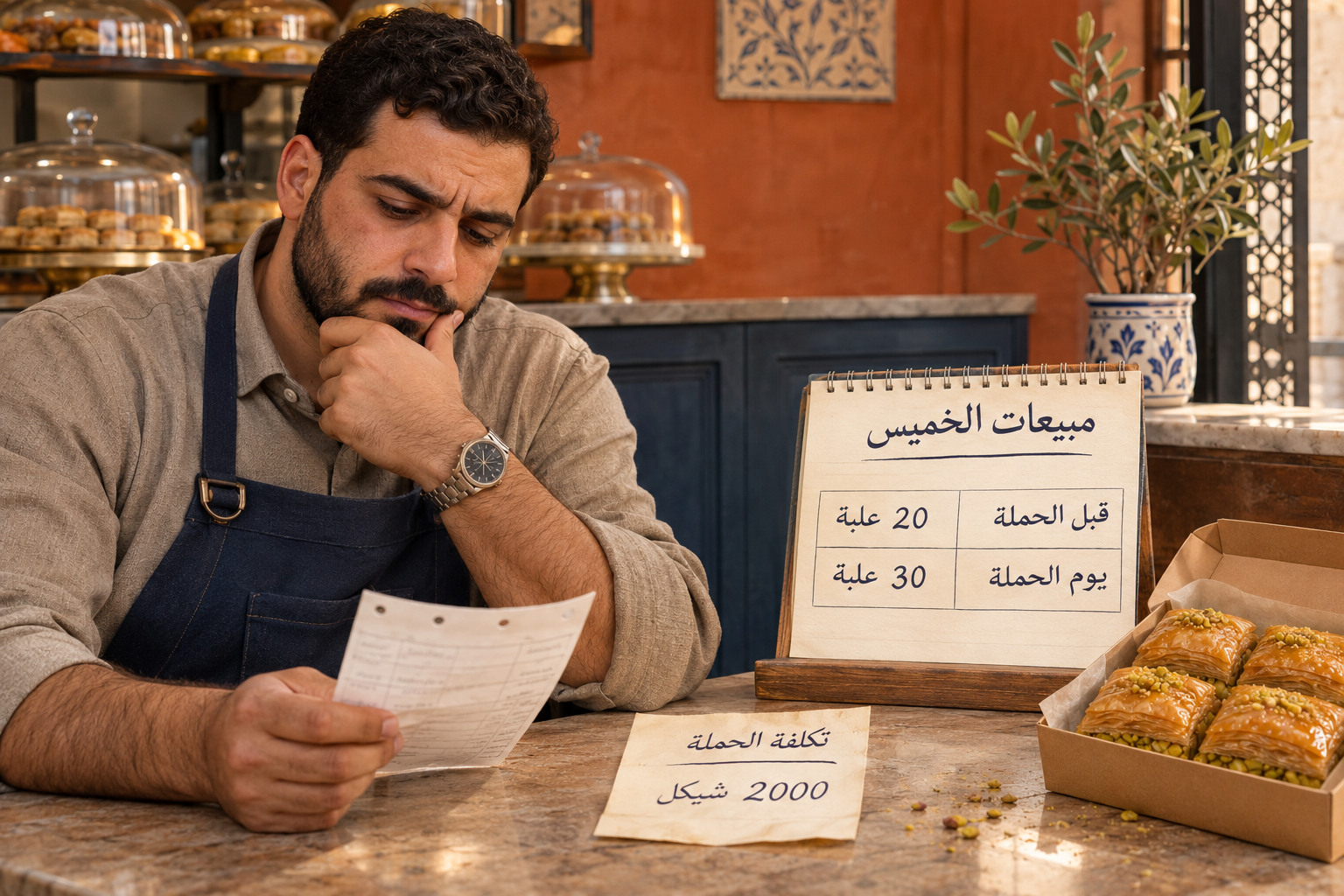
A reel can attract many views without an obvious change in orders. That alone does not prove the content failed, or that everyone watching was a potential customer. Look for the point of friction: did it reach people who could buy, give them a reason to try the product, and make ordering clear?
01 Was selling the post’s purpose?
Content introducing the restaurant’s personality has a different role from an offer showing a meal, price, and ordering step. Write down each piece’s purpose: brand recognition, product understanding, inquiries, or orders. Entertainment can introduce the brand, but it needs a clear connection to the restaurant and its products.
Also consider audience relevance. Views outside the delivery area or among people the product does not suit may not translate into local orders. Do not infer location or intent from comments alone; use available audience data and recognize its limits.
02 Did you give the customer a reason to choose the meal?
Watch without sound, then ask someone who missed the shoot: what is the meal, what does it include, and who is it for? If they cannot answer, the joke or editing may have overshadowed the product. Show portions, preparation, ingredients, or the sharing occasion according to the question that needs answering.
Review price, availability, and value without assuming a discount is the answer. You may need to explain the meal’s contents, clarify the branch location, or use a more representative image. Support the selling point with something visible rather than repeating that the product is special.
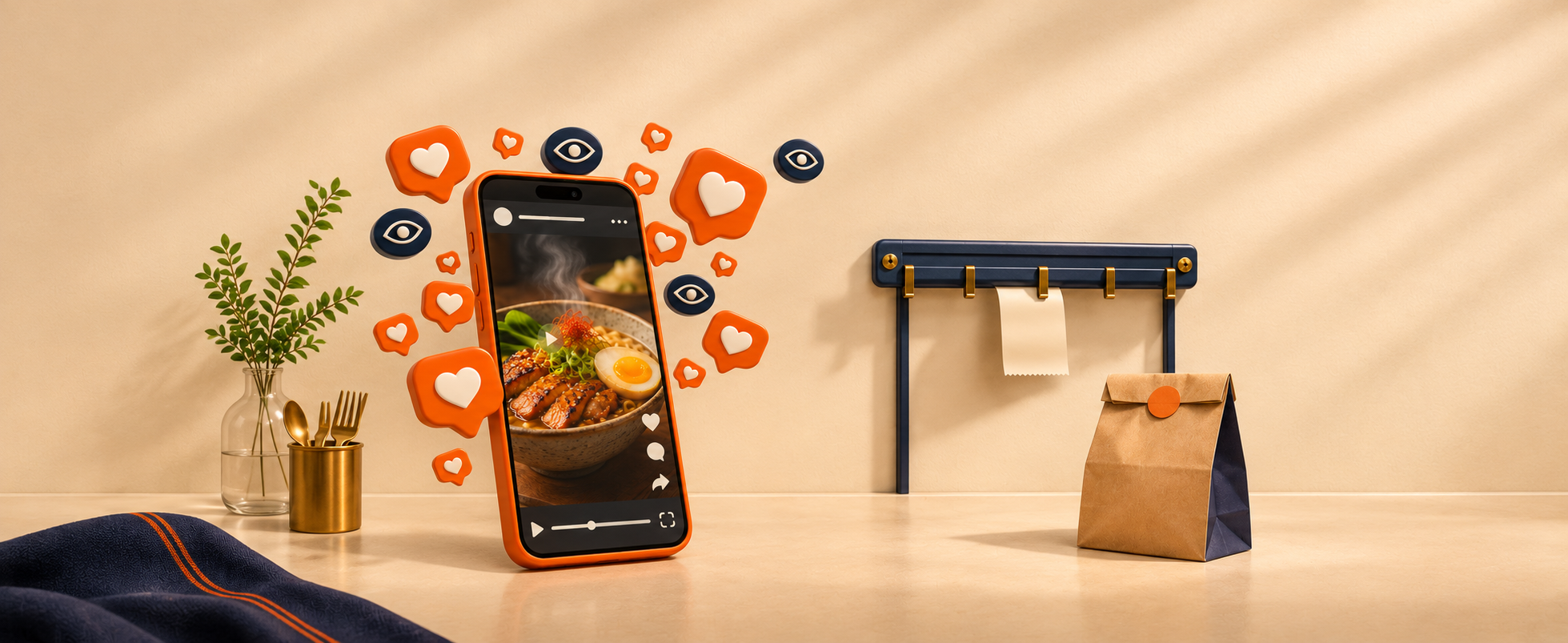
03 Test the ordering journey on another phone
Open the profile as a new customer would. Is the menu easy to find and understand? Are prices current? Does the ordering link work, and is the next step after messaging clear? Coordinate an internal test with the team to check replies, confirmation, and availability.
Distinguish video views, menu visits, inquiries, and completed orders. These are different events. If inquiries increase without completed orders, examine hesitation and response handling before replacing the entire creative concept.
04 Change something specific and review the result
Choose one friction point: an opening that hides the product, unclear value, or a hard-to-find ordering link. Change that element where possible and compare content with similar products, duration, and conditions. Record what changed instead of simply calling the new version better.
Use signals you can track, such as a dedicated link, questions about a featured meal, or order information supplied by the restaurant. Do not attribute all sales to content or treat every view without an immediate purchase as wasted. Finish with an explainable decision about what to continue, change, or test again.
Explore Yoosal’s restaurant content service.